Los Huemules Nature Reserve
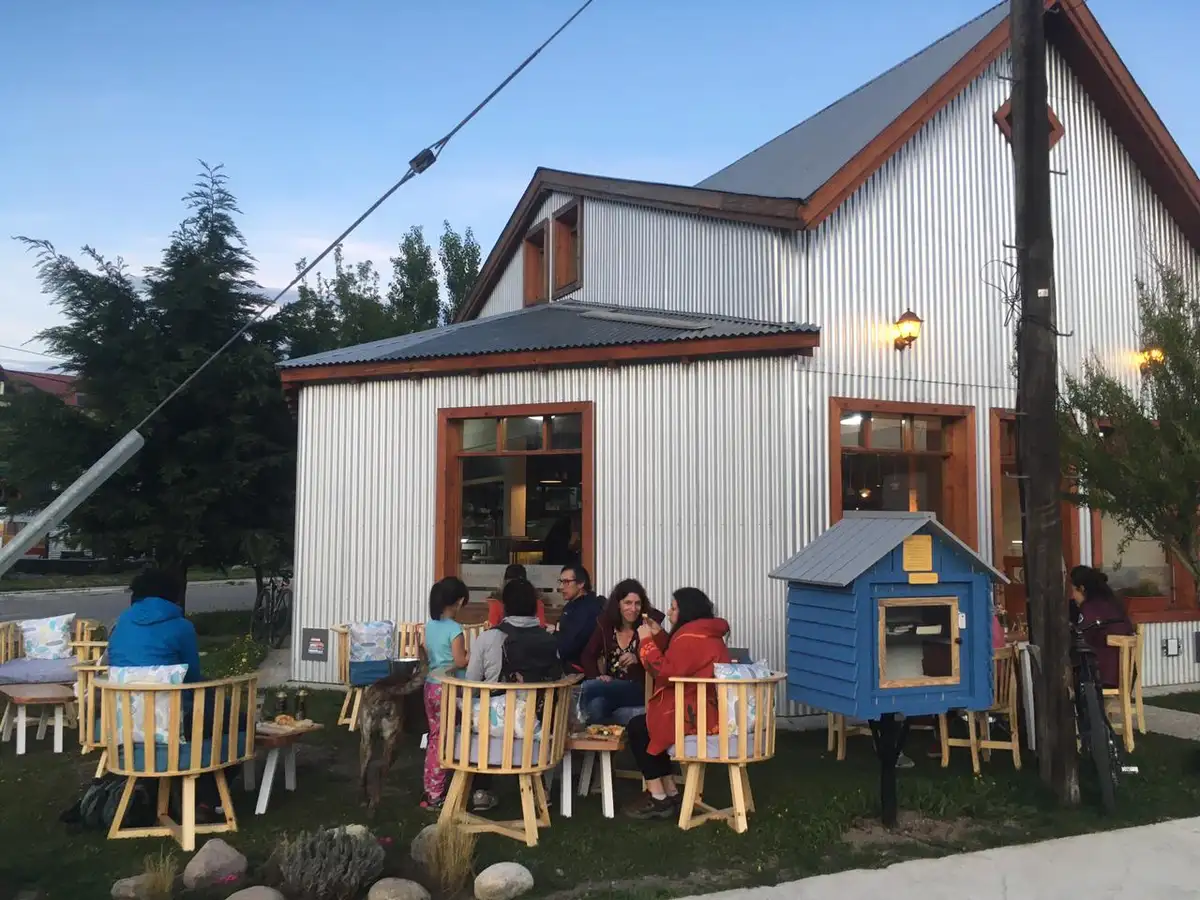
Located near El Chaltén, Los Huemules Nature Reserve operates as a low-impact tourism development that aims to integrate human activity with environmental preservation. Unlike other more heavily trafficked areas in the region, this space is defined by a smaller-scale approach, where the young mountain landscape and native forest ecosystems take center stage. The reserve sits on terrain shaped by glacial and fluvial dynamics, offering a setting for observing local biodiversity — including the torrent duck — within an active conservation framework.
Trails and Glacial Landscapes
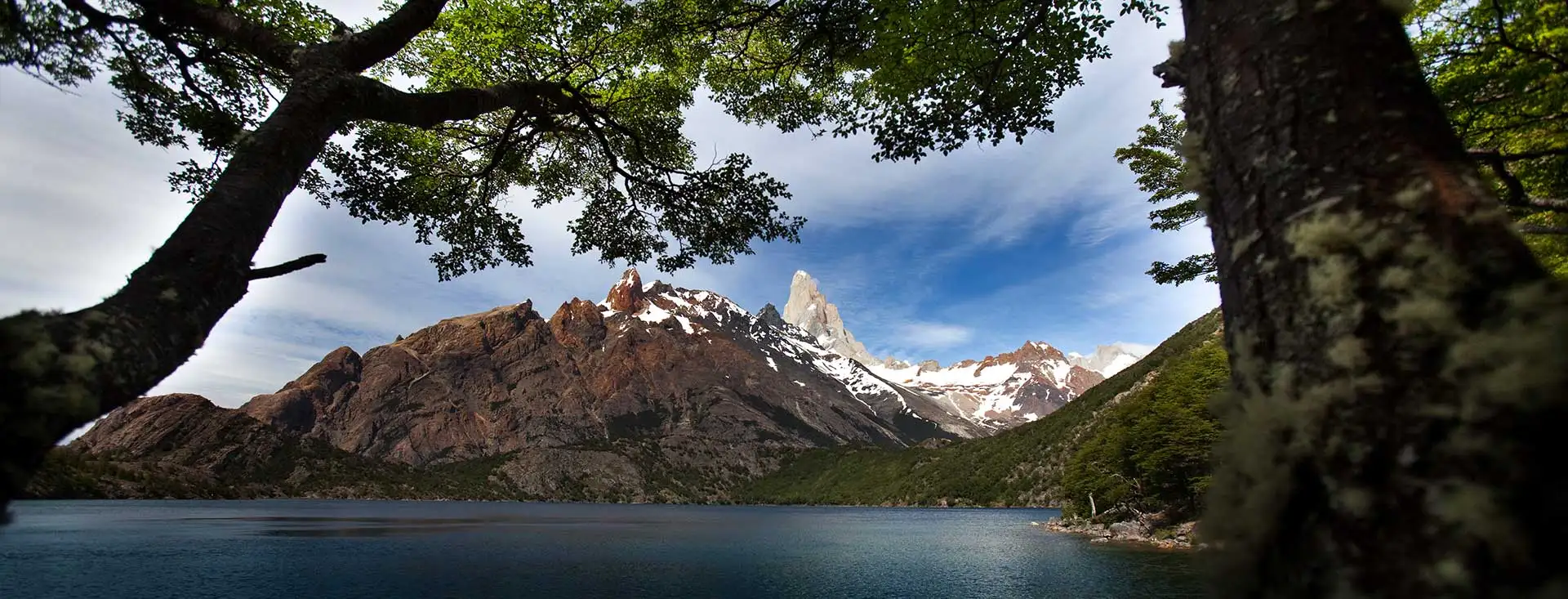
The reserve’s trail network connects various points of interest through routes crossing valleys and rocky terrain. One of the most notable circuits is the one leading to Laguna Azul and Laguna Verde. The route begins after crossing a suspension bridge over the Río Diablo, continuing with a climb accompanied by waterfalls from the Laguna Azul stream. At the highest points of the morro, where vegetation becomes sparse and the terrain is more exposed to the wind, natural viewpoints allow both lakes to be seen simultaneously before descending toward Laguna Verde, a more sheltered sector surrounded by forest.
The Río Diablo Valley trail, meanwhile, offers a more immersive experience in the terrain. This route crosses a young mountain valley with pronounced ascents and descents over the first few kilometers. The path follows the northern bank of the river, allowing direct contact with a well-preserved native forest. Key landmarks along this trail include Laguna Diablo, set among moraines and rocks, and the access point to Puesto Cagliero, located near the southern tongue of Glaciar Cagliero.
Natural Environment and Biodiversity
The physical character of the reserve is defined by the constant presence of bodies of water and the transition between forest and high-mountain zones. The Río Diablo’s dynamics are a central element that ties the different trails together, providing not only the relief that shapes the routes but also specific habitats for aquatic and terrestrial species. The landscape alternates between dense forested sectors and areas of low vegetation or scrubland, typical of zones shaped by glacial retreat.
The value of this space lies in its capacity to offer direct contact with the region’s geological and biological processes without the crowding found on other circuits. The presence of landmarks such as Puesto Cagliero, situated facing the southern tongue of Glaciar Cagliero, reinforces the mountainous character of the reserve and its historical connection to exploration routes in the Santa Cruz area.